Search the library
Find explainers, comparisons, and research across every topic.
50 articles

Decoding the Architecture of Large Language Models: Transformers, Attention Mechanisms, and Neural Tokenization
Large Language Models (LLMs) have fundamentally transformed human-computer interaction, software engineering, and artificial intel...

Understanding AI Agents: Autonomous Planning, Memory Systems, and Multi-Tool Execution
While traditional conversational artificial intelligence models operate strictly as reactive question-answering engines that wait ...

The Physics and Mechanics of AI Image Generation: Diffusion Models and Latent Space Mathematics
The remarkable explosion of generative visual art, photorealistic rendering, and creative design tools powered by artificial intel...

Machine Learning vs. Deep Learning: Architectural Divergence, Feature Extraction, and Compute Scales
In the broader lexicon of artificial intelligence and data science, the terms 'Machine Learning' (ML) and 'Deep Learning' (DL) are...

Computer Vision Architecture: Convolutional Neural Networks, Object Detection, and Semantic Segmentation
Computer vision is the transformative artificial intelligence discipline that empowers digital systems to 'see', process, interpre...

Inside AI Voice Recognition: Acoustic Modeling, Speech-to-Text, and Neural Audio Synthesis
The ability of artificial intelligence to understand spoken human language, transcribe audio accurately in real time, and synthesi...
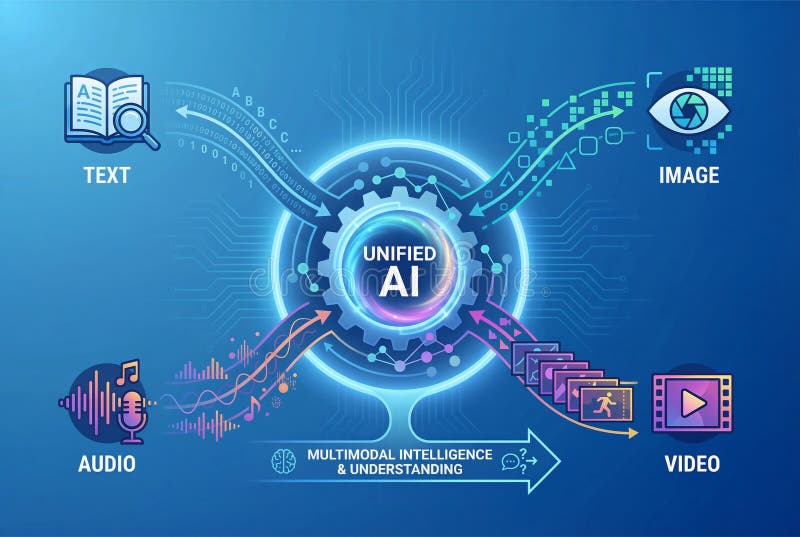
What Are Multimodal AI Models? Cross-Modal Fusion, Unified Embeddings, and Sensory Integration
For the first decade of the modern artificial intelligence renaissance, foundational models operated within strict sensory silos: ...

Artificial Intelligence in Healthcare: Diagnostic Imaging, Drug Discovery, and Predictive Analytics
The integration of artificial intelligence into modern healthcare and clinical medicine represents one of the most socially impact...

Mastering Retrieval-Augmented Generation (RAG): Vector Databases, Semantic Search, and Knowledge Grounding
Large Language Models possess vast reservoirs of parametric knowledge acquired during their initial pre-training phase, yet they s...

The Future of Artificial Intelligence: Artificial General Intelligence, Scalability Limits, and Quantum AI
As artificial intelligence systems permeate every facet of modern civilization, researchers, philosophers, and technologists gaze ...
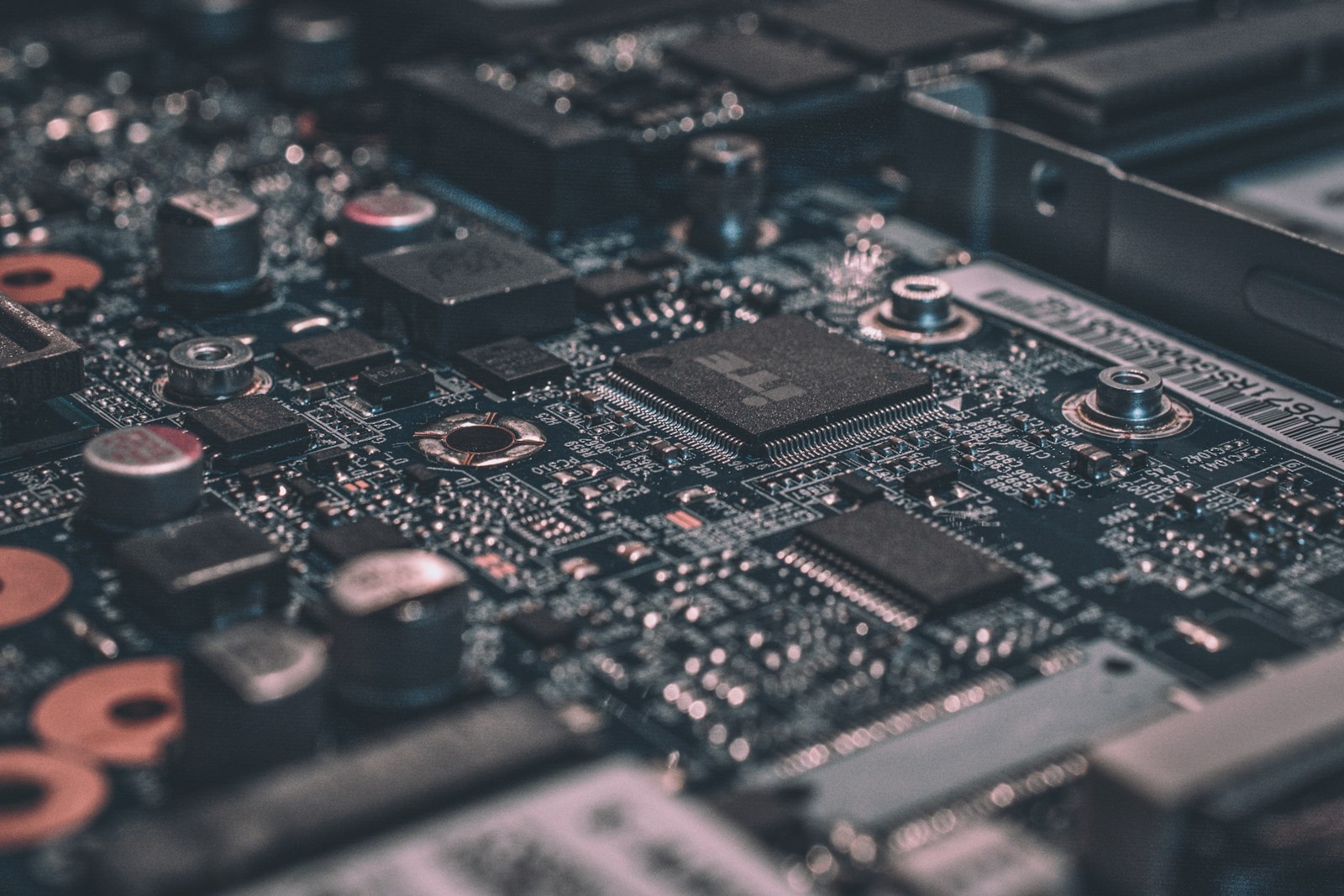
Inside the Cleanroom: How Computer Chips Are Manufactured Through Photolithography and Etching
Modern microprocessors are among the most intricate engineered structures ever created by human civilization, packing tens of bill...
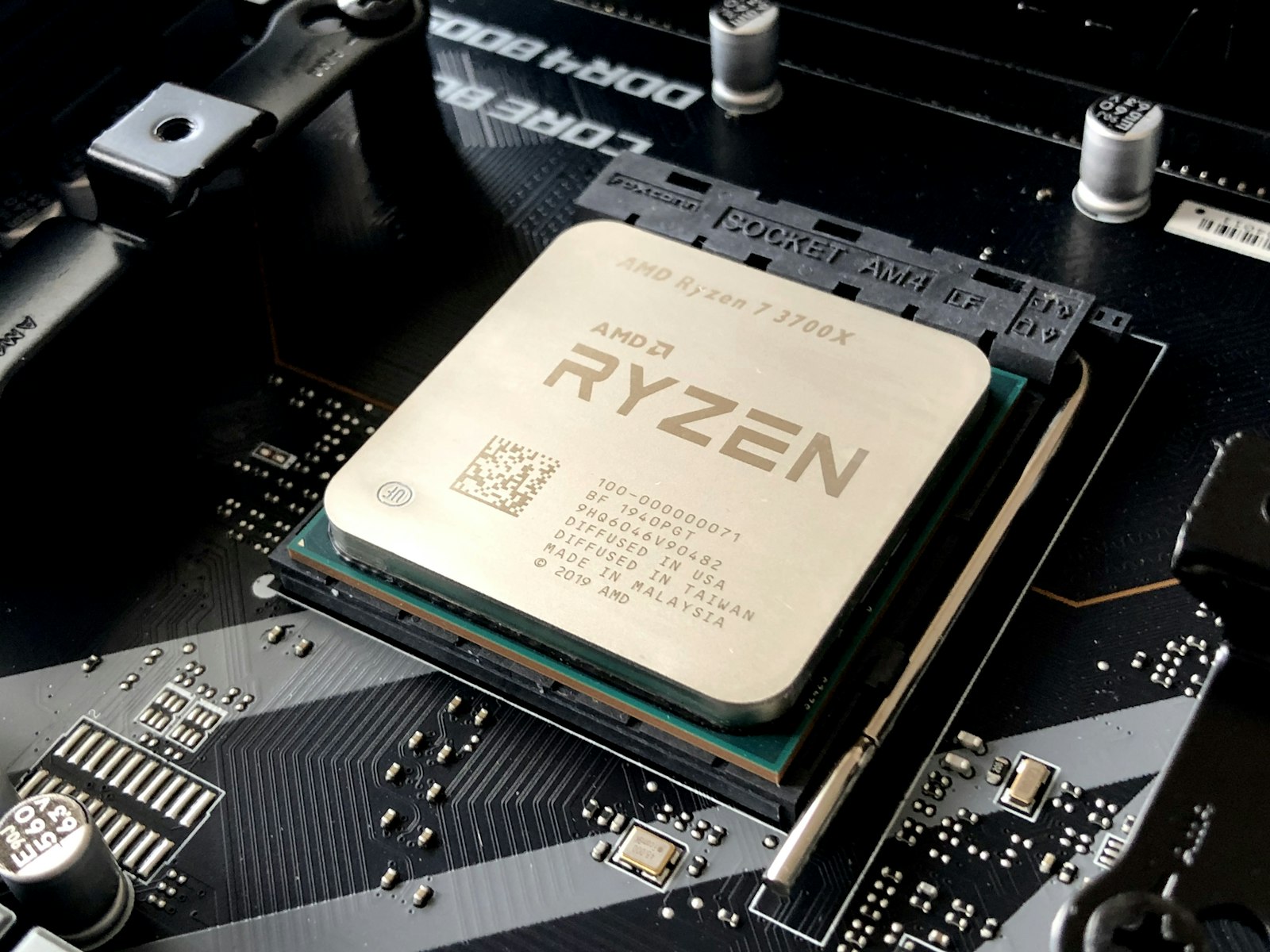
CPU vs GPU Architecture: Parallel Processing, Memory Bandwidth, and Compute Paradigms
At the heart of every modern computing system—from smartphones and personal laptops to massive supercomputers and AI data centers—...

What Is an NPU? Neural Processing Units, Matrix Math Acceleration, and Edge AI
In recent years, a third specialized processing unit has joined the traditional CPU and GPU silicon hierarchy inside modern smartp...

How Semiconductor Lithography Works: Light Source Physics, Photomasks, and Optical Diffraction
Semiconductor photolithography is arguably the most precise manufacturing technology ever developed, sitting at the intersection o...

Demystifying 3nm Chip Nodes: FinFET vs. GAAFET Transistor Architectures and Gate Control
In the semiconductor industry, moving to advanced manufacturing process nodes—such as 3-nanometer (3nm) technology—represents a mo...

Manufacturing Silicon Wafers: From Quartzite Sand to Atomic Flatness
The journey of every advanced computer chip begins with raw, unrefined quartzite sand gathered from natural rock deposits. Transfo...

Advanced Semiconductor Chip Packaging: 2.5D, 3D Stacking, and Chiplet Architectures
For decades, microprocessors followed a monolithic design paradigm where all functional processing elements—CPU cores, GPU cluster...

SRAM vs. DRAM Memory Architecture: Transistor Topology, Refresh Cycles, and Access Latencies
Computer memory architectures rely on two primary types of volatile semiconductor random-access memory to hold active data for pro...

High-Bandwidth Memory (HBM): Vertical Stacking, 1024-Bit Buses, and AI Data Center Acceleration
As artificial intelligence models and high-performance computing workloads scaled exponentially, computing systems encountered a s...
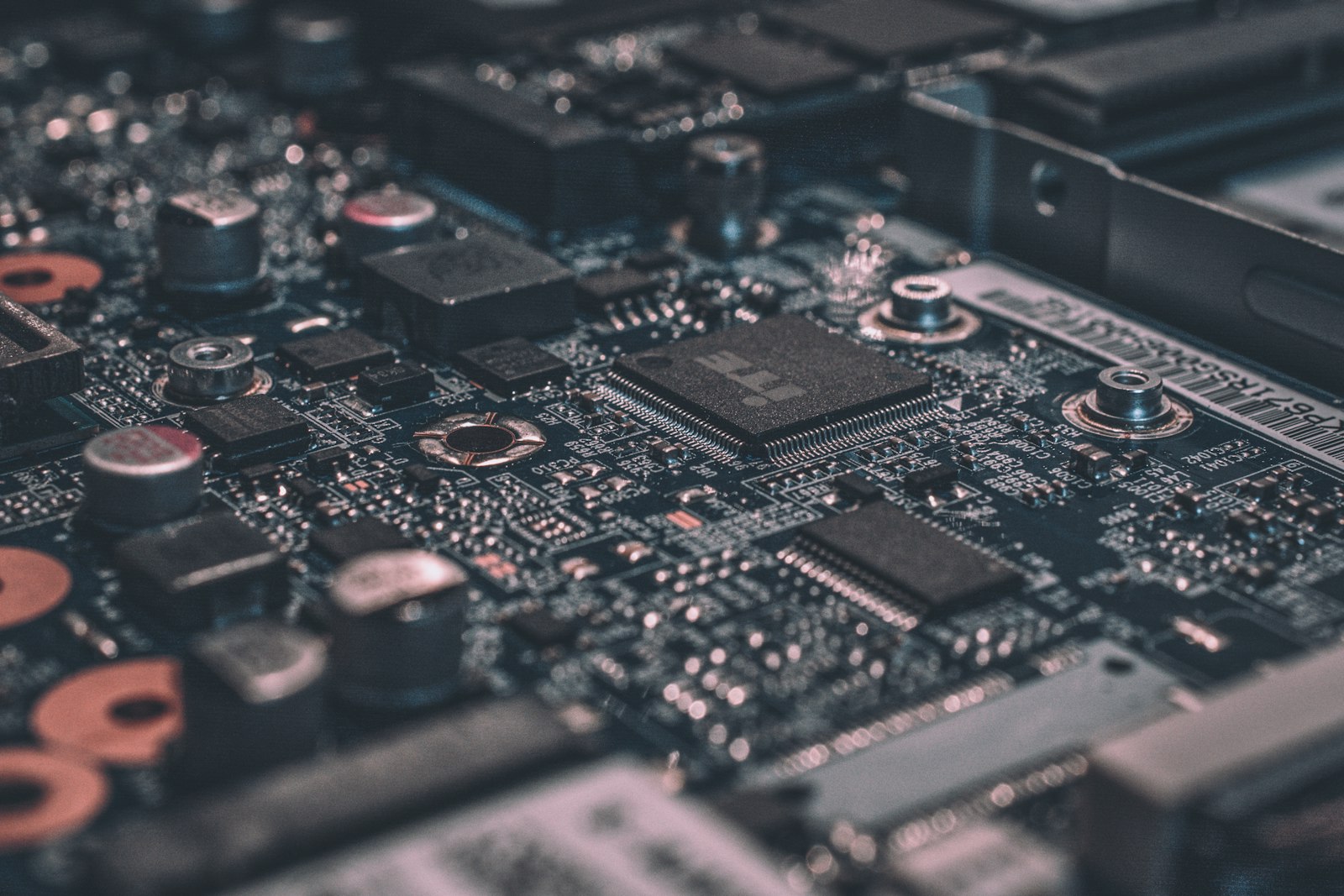
Why Advanced Semiconductor Fabrication Requires Extreme Ultraviolet (EUV) Lithography
Manufacturing sub-5-nanometer microprocessors requires printing physical circuit features smaller than the wavelength of visible l...
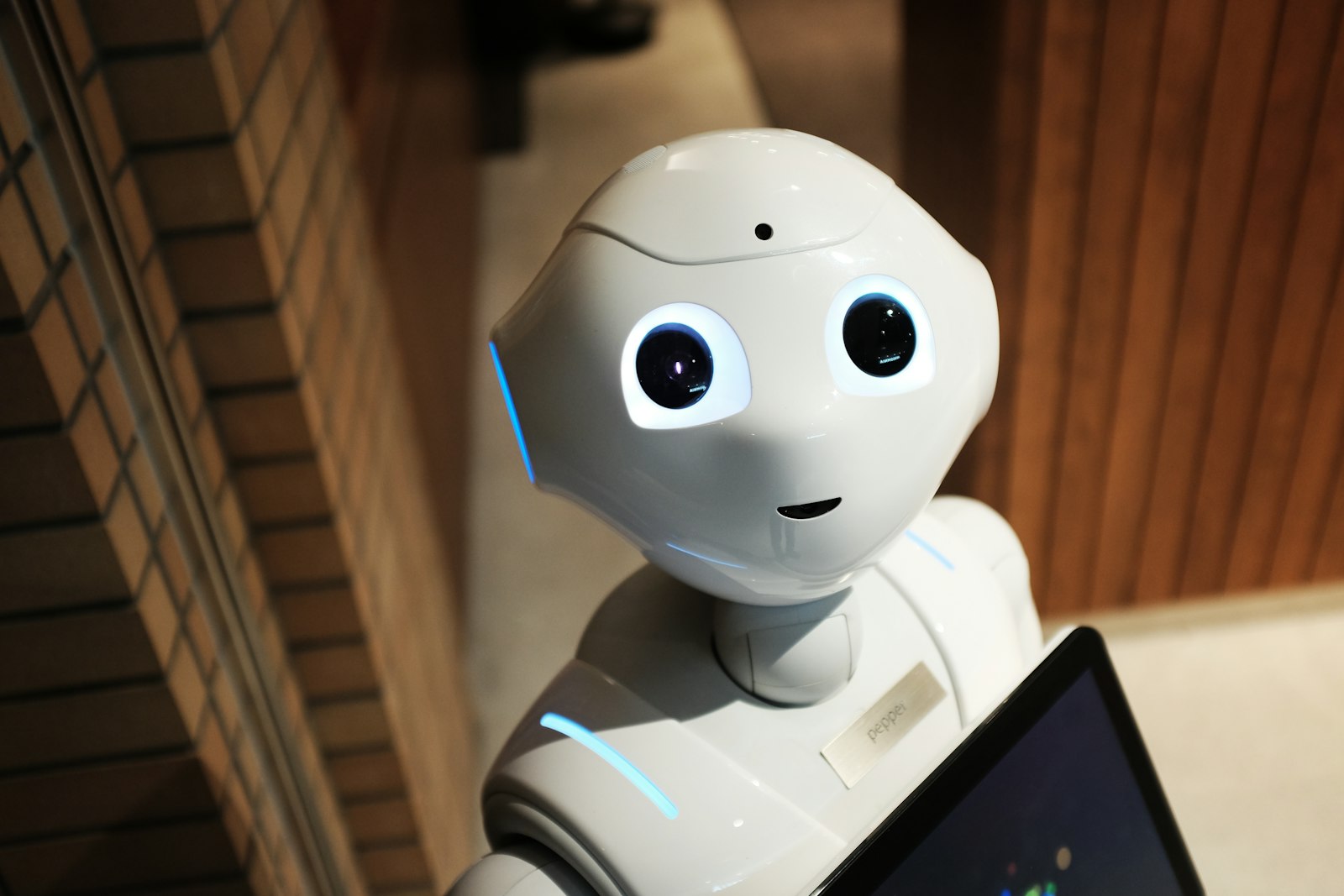
Anatomy of Humanoid Robots: Actuators, Kinematics, and Biomechanical Balance Control
Humanoid robotics represents the ultimate convergence of mechanical engineering, control systems, and artificial intelligence, aim...
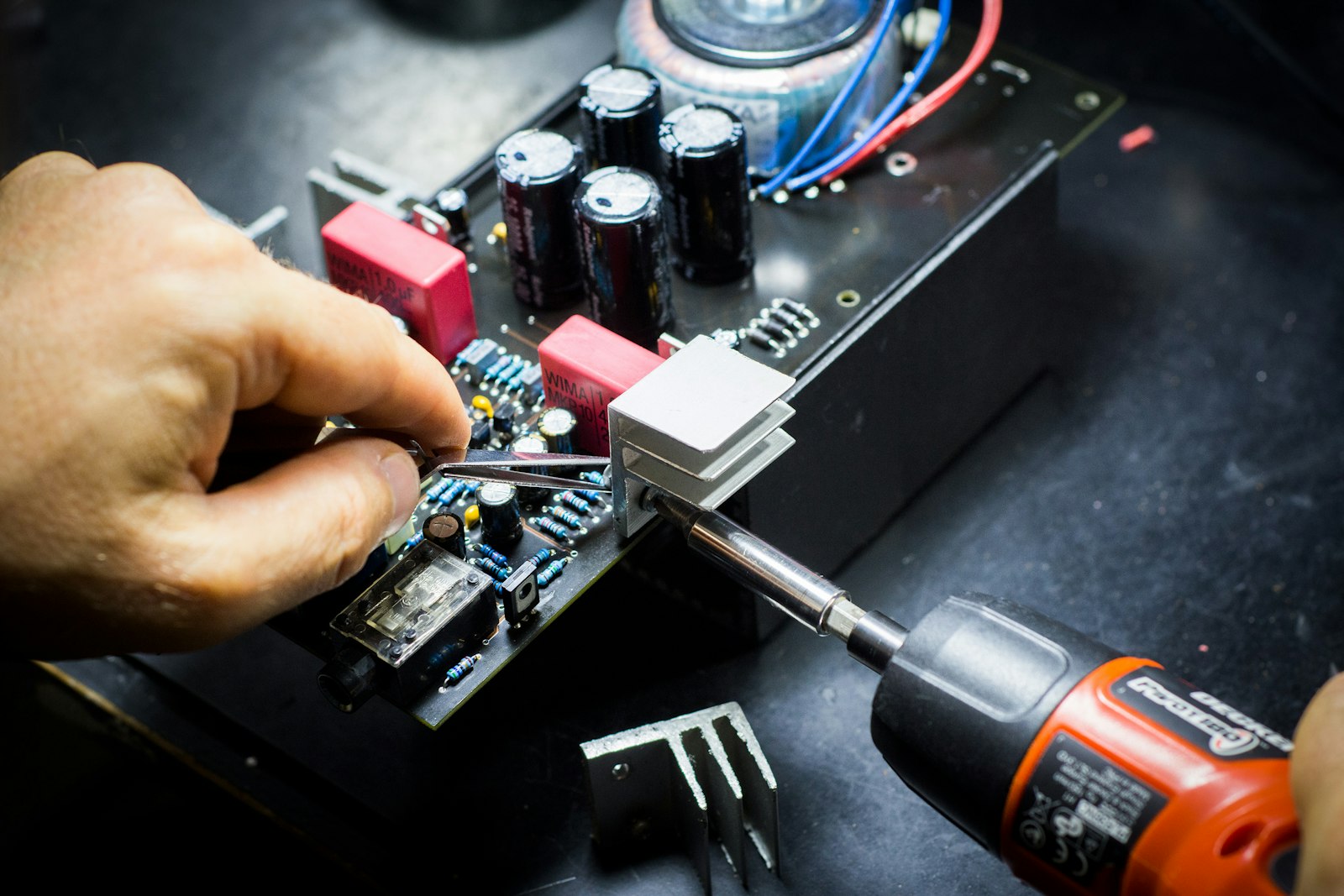
Industrial Robotics and Factory Automation: SCARA, Articulated Arms, and Safety Cells
Modern manufacturing, automotive assembly, semiconductor fabrication, and warehouse logistics rely heavily on industrial robotics ...
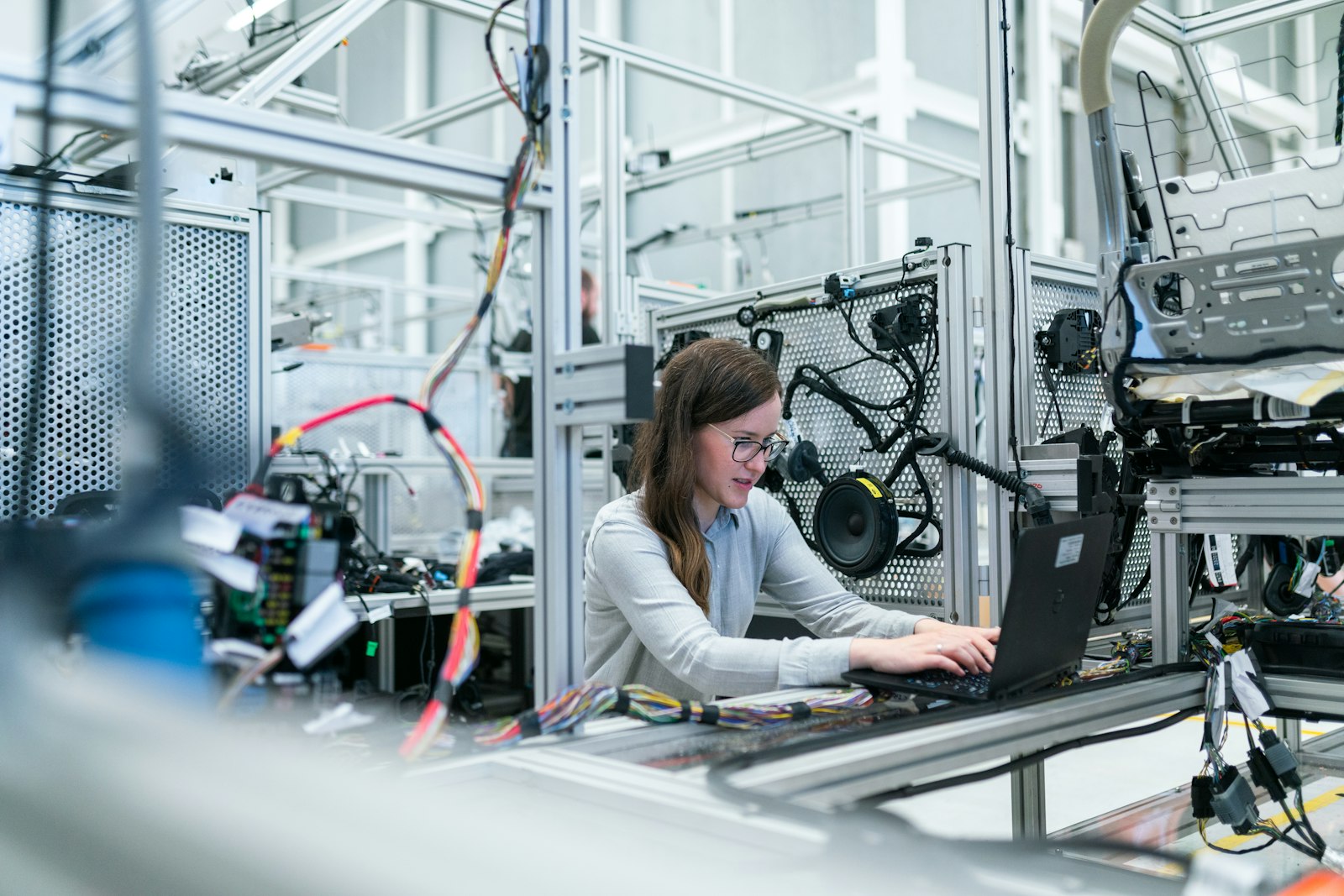
Kinematics of Robotic Arms: Forward and Inverse Kinematics, Denavit-Hartenberg Parameters
The ability of a robotic manipulator arm to reach out, grasp a delicate object, and position an end-effector tool with sub-millime...
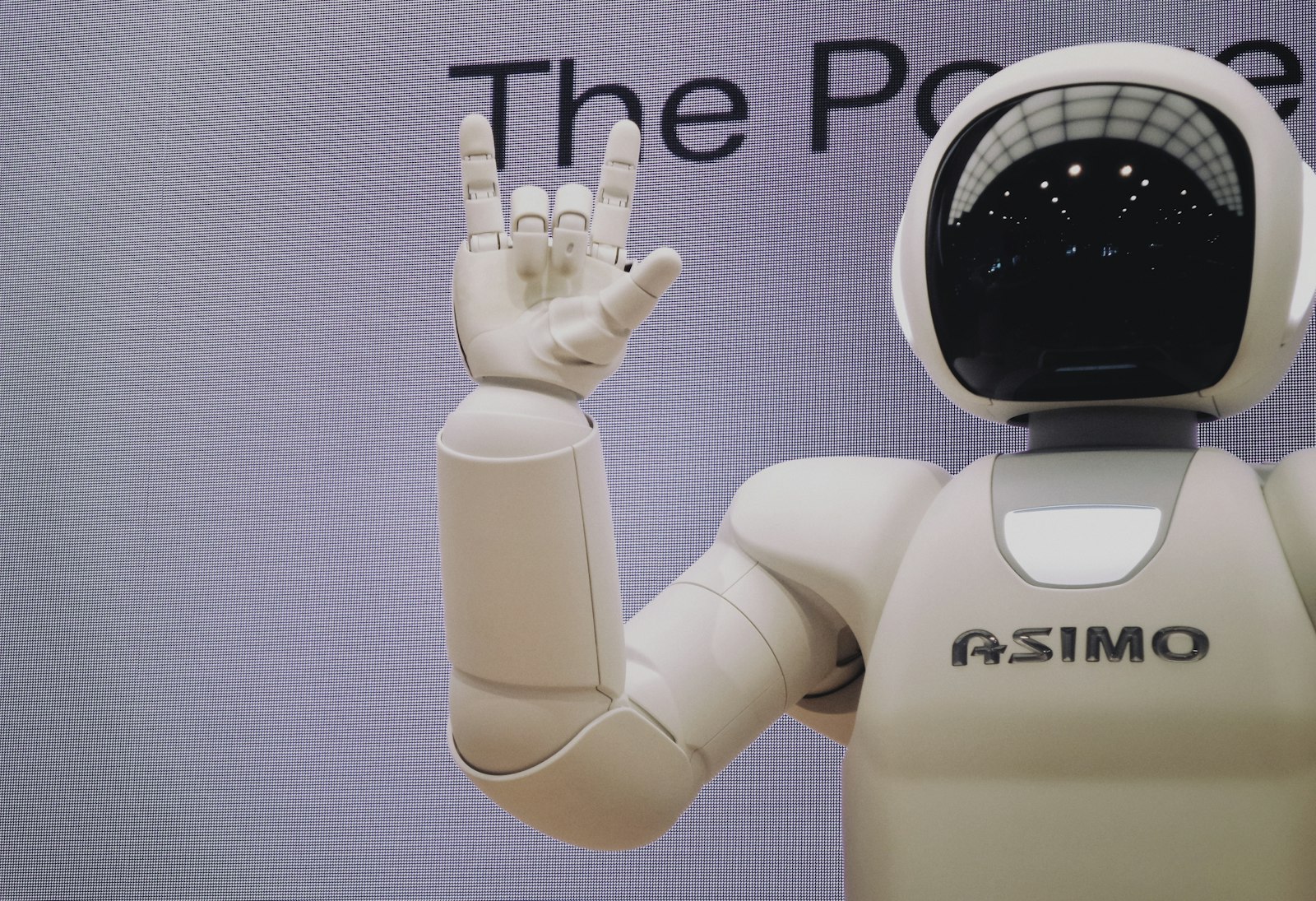
Robot Vision Systems: 3D Depth Sensing, Structured Light, and Hand-Eye Calibration
For decades, industrial robots operated as blind mechanical actuators executing pre-programmed blind loops inside structured facto...

How Robots Learn to Walk: Reinforcement Learning, Sim-to-Real Transfer, and Gait Optimization
Bipedal and quadrupedal locomotion has long represented one of the most difficult challenges in robotics. Traditional control engi...
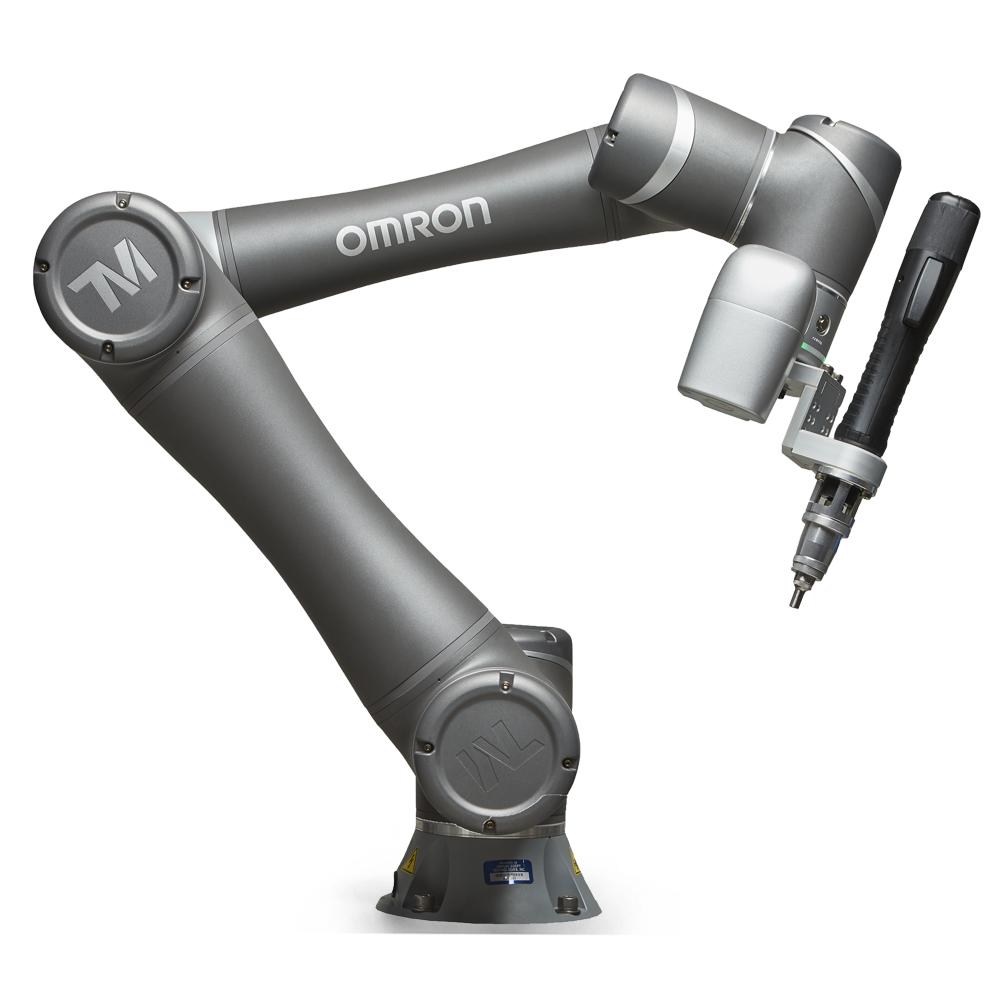
Collaborative Robots (Cobots): Safety Standards, Force Feedback, and Human-Robot Teaming
Traditional industrial robots were designed for isolated operation inside heavy safety cages, separated entirely from human worker...
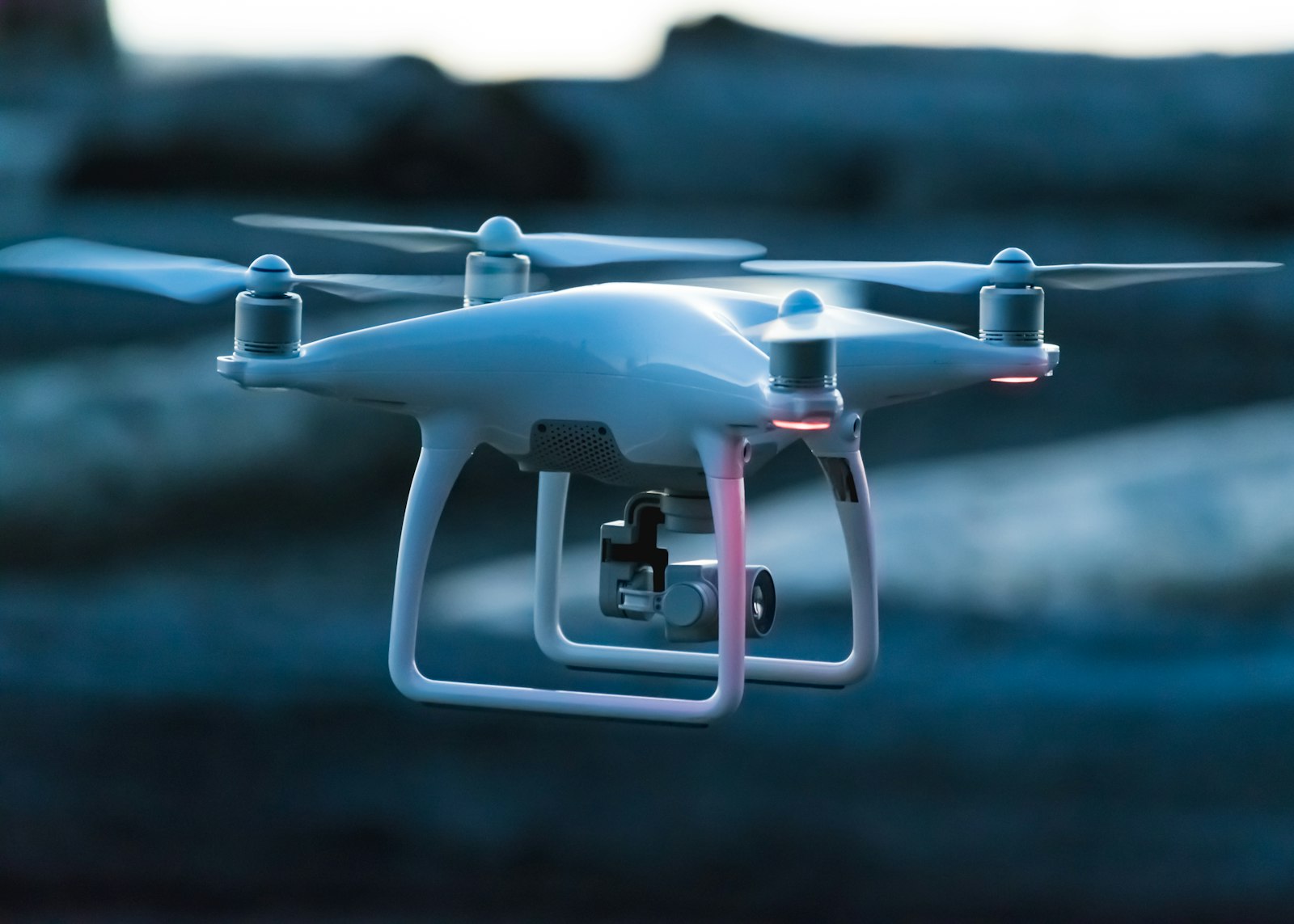
Sensor Fusion in Robotics: LiDAR, IMUs, Odometry, and Kalman Filter Localization
An autonomous robot operating in the physical world cannot rely on a single sensory input to navigate successfully. Cameras can be...

Robotic Process Automation (RPA): Software Bots, Screen Scraping, and Enterprise Workflow Automation
While physical robotics manipulate tangible objects in the physical world, Robotic Process Automation (RPA) automates repetitive, ...
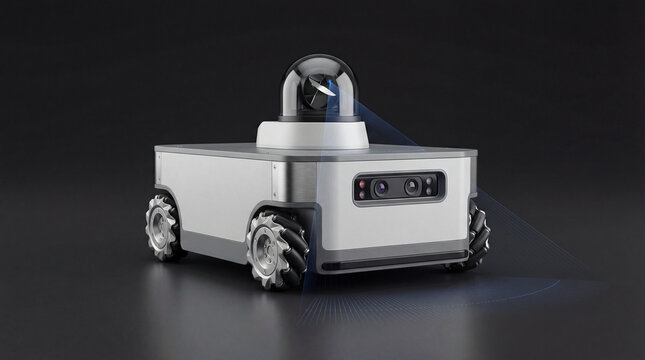
Autonomous Robots vs. Traditional Automation: Adaptive Intelligence vs. Hardcoded Repetition
The broader manufacturing, logistics, and service sectors are undergoing a structural migration from Traditional Fixed Automation ...

The Future of Humanoid Robotics: General-Purpose Labor, Neural Control, and Socioeconomic Impacts
We are standing at the precipice of a historic technological inflection point where humanoid robots are transitioning from science...

How Self-Driving Cars Work: The Complete Autonomous Engineering Pipeline from Perception to Control
Autonomous driving represents one of the most complex multidisciplinary engineering challenges of the modern era, combining artifi...
What Is LiDAR Technology? Pulsed Laser Physics, Time-of-Flight, and 3D Point-Cloud Mapping
Light Detection and Ranging (LiDAR) is a cornerstone remote-sensing technology utilized in autonomous driving, robotics, aerospace...

Camera-Based vs. LiDAR-Based Autonomous Driving Systems: Architectural Philosophies and Trade-Offs
Within the global autonomous driving industry, a profound engineering debate divides manufacturers regarding the optimal sensor su...

What Are SAE Driving Automation Levels? Defining the Boundary from Driver Assistance to Full Autonomy
To establish clear legal, regulatory, and engineering standards across the global automotive industry, the Society of Automotive E...
How Cars Detect Pedestrians: Computer Vision Neural Networks, Thermal Imaging, and Skeletal Tracking
Pedestrian safety is the single most critical performance metric governing the deployment of advanced driver assistance systems an...
What Is Sensor Fusion? Kalman Filters, Data Synchronization, and Multi-Modal Spatial Awareness
Autonomous vehicles operate in a chaotic, unpredictable physical world where no single sensor is infallible. Cameras can be blinde...

How Autonomous Vehicles Navigate Roads: HD Maps, GNSS Localization, and Trajectory Planning
Navigating a multi-lane urban street filled with aggressive human drivers, erratic cyclists, and unexpected road construction requ...

What Is an Advanced Driver Assistance System (ADAS)? Core Features, Sensors, and Life-Saving Mechanics
Advanced Driver Assistance Systems (ADAS) represent the vital bridge between traditional manual automobiles and fully autonomous v...
How Vehicle-to-Everything (V2X) Communication Works: V2V, V2I, and Cellular 5G NR Protocols
While onboard sensors like cameras and LiDAR grant autonomous vehicles vital localized line-of-sight perception, their physical aw...

Challenges Facing Autonomous Driving: Edge Cases, Adverse Weather, Regulatory Roadblocks, and Ethics
Despite astonishing technological breakthroughs in artificial intelligence, neural perception, and sensor hardware over the past d...
Quantum Computing Fundamentals: Qubits, Superposition, Entanglement, and Gate Operations
Quantum computing represents a radical paradigm shift in computational science, moving away from classical binary logic toward qua...

Inside Solid-State Batteries: Electrolyte Chemistry, Energy Density, and Dendrite Suppression
As the global transition toward electric vehicles, renewable energy storage grids, and portable electronics accelerates, tradition...

Nuclear Fusion Energy: Magnetic Confinement, Tokamaks, and Inertial Confinement Physics
For over half a century, nuclear fusion—the fundamental physical process that powers our Sun and stars—has been heralded as the ul...

Photonics and Optical Computing: Silicon Photonics, Photonic Integrated Circuits, and Light-Speed Data
As electronic microprocessor scaling slows down due to copper wire resistance, thermal dissipation limits, and electrical signal p...

Space Exploration Technology: Reusable Rocketry, Ion Propulsion, and Orbital Mechanics
The global aerospace industry is undergoing a historic renaissance, driven by radical innovations in reusable rocket architectures...
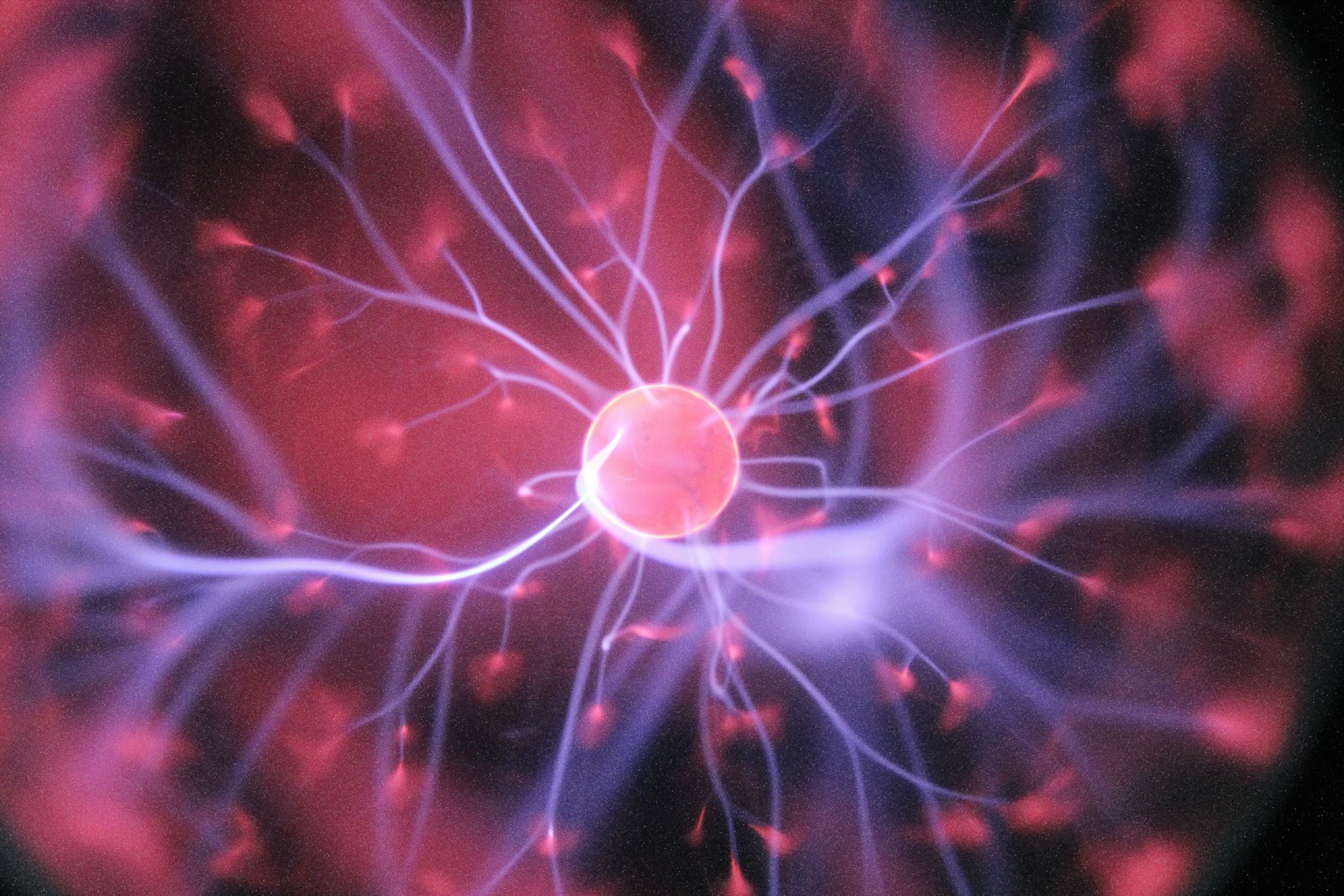
Brain-Computer Interfaces (BCIs): Neural Decoding, Invasive Electrode Arrays, and Synthetic Telepathy
Brain-Computer Interfaces (BCIs) represent the ultimate convergence of neuroscience, neurosurgery, microelectronics, and artificia...
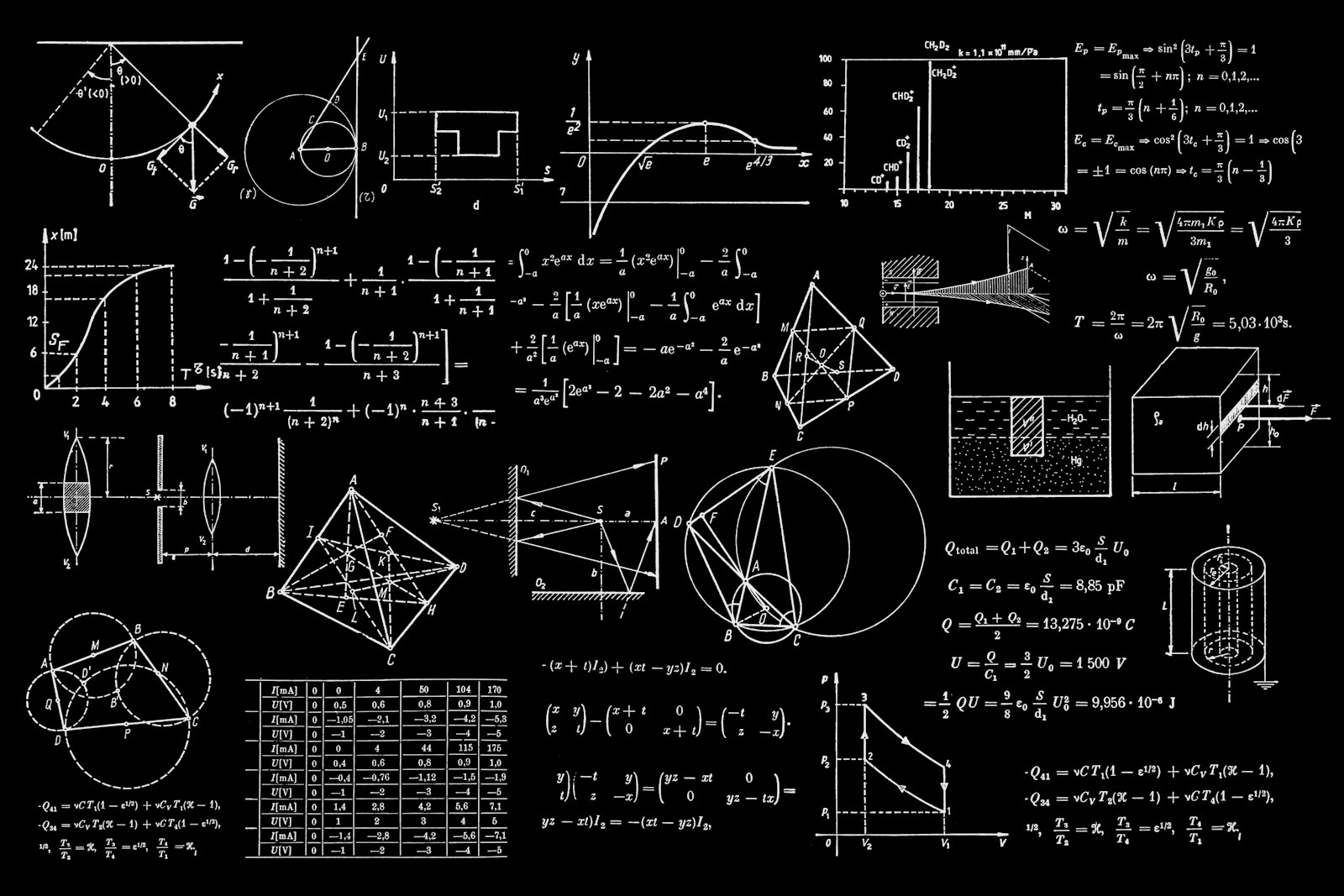
Metamaterials and Negative Refractive Index Physics: Bending Light and Waves Backward
Metamaterials represent a revolutionary class of artificially engineered composite structures designed to exhibit physical propert...

Advanced Nanotechnology and Molecular Manufacturing: Carbon Nanotubes, Graphene, and Nanobots
Nanotechnology explores the manipulation of matter on an atomic, molecular, and supramolecular scale—typically spanning dimensions...

Hyperloop Transportation Systems: Low-Pressure Vacuum Tubes, Magnetic Levitation, and Mach Speeds
The Hyperloop represents a radical conceptual leap in high-speed ground transportation, designed to propel passenger and cargo pod...
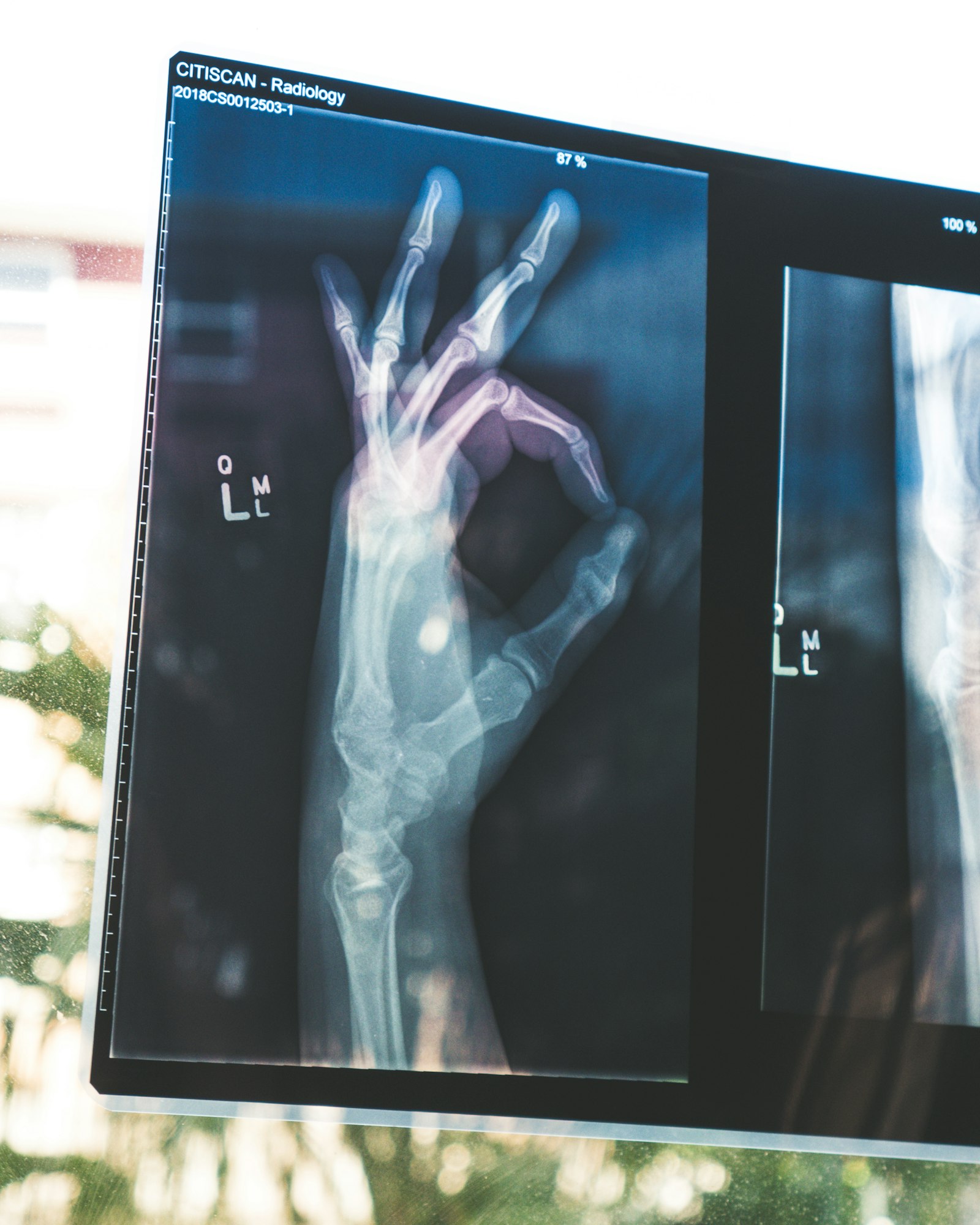
Bioprinting and Tissue Engineering: 3D Cellular Printing, Scaffolding, and Organ Regeneration
Organ transplantation represents one of the most critical bottlenecks in modern medicine, with hundreds of thousands of patients l...